















Short Shaft vs. Long Shaft
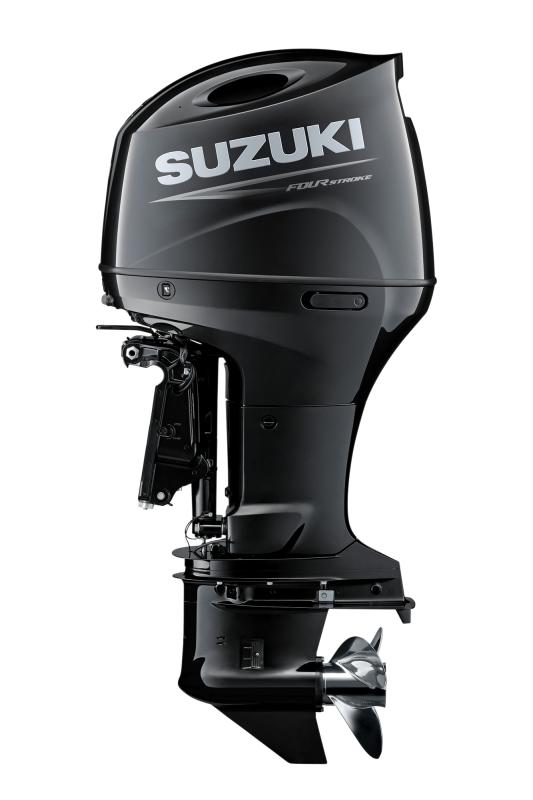
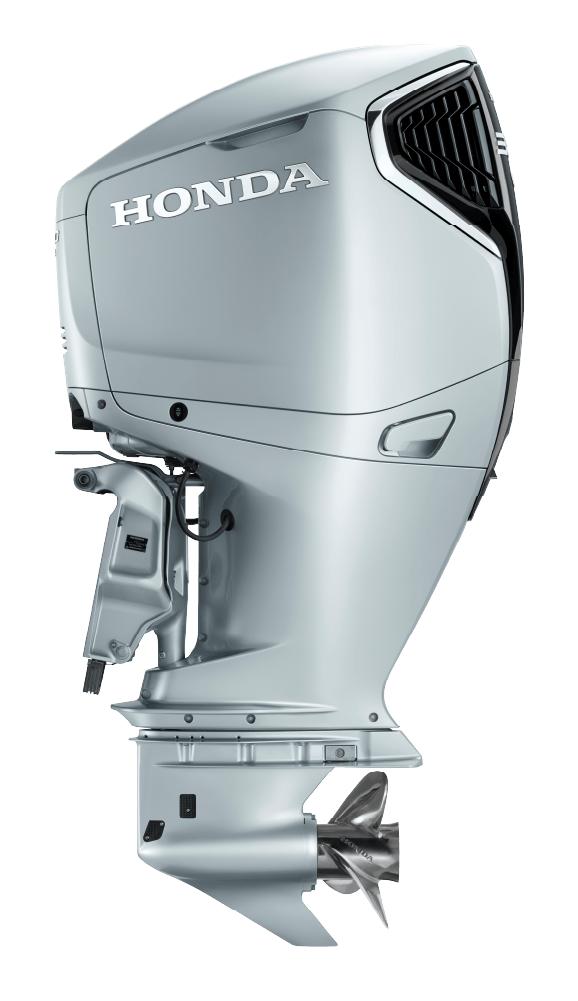
When choosing an outboard motor, understanding the difference between a short shaft and a long shaft is essential for proper performance. The main difference is the length of the motor shaft, which determines how far the propeller sits below the boat.
A short-shaft motor is generally designed for boats with a lower transom, typically around 15 inches. It is commonly used on smaller boats, dinghies, and some lightweight fishing boats. A short shaft can provide efficient performance when correctly matched to the transom height.
A long-shaft motor is usually designed for boats with a higher transom, commonly around 20 inches. It is suitable for many larger boats and applications where the propeller needs to sit deeper in the water.
Choosing the wrong shaft length can affect handling, efficiency, and propeller performance. Before purchasing, measure your boat’s transom height and follow the motor manufacturer’s recommendations to ensure the correct fit.
New vs. Used Outboard Motors
Choosing between a new or used outboard motor depends on your budget, performance requirements, and willingness to handle potential maintenance. A new outboard typically provides the latest technology, improved fuel efficiency, and manufacturer warranty coverage. It also offers greater peace of mind because you know the motor’s operating history and maintenance background.
A used outboard motor can be a more affordable option and may provide excellent value when properly maintained. However, its condition and service history are important considerations. Before buying used, inspect the engine carefully for corrosion, leaks, damaged components, and signs of overheating. Checking compression, engine hours, service records, and starting performance can also help identify potential problems.
New motors generally have higher upfront costs but may offer lower maintenance concerns during the early years. Used motors can save money initially but may require repairs or replacement parts.
Ultimately, compare the purchase price, expected maintenance, reliability, warranty, and intended use before making your decision.


